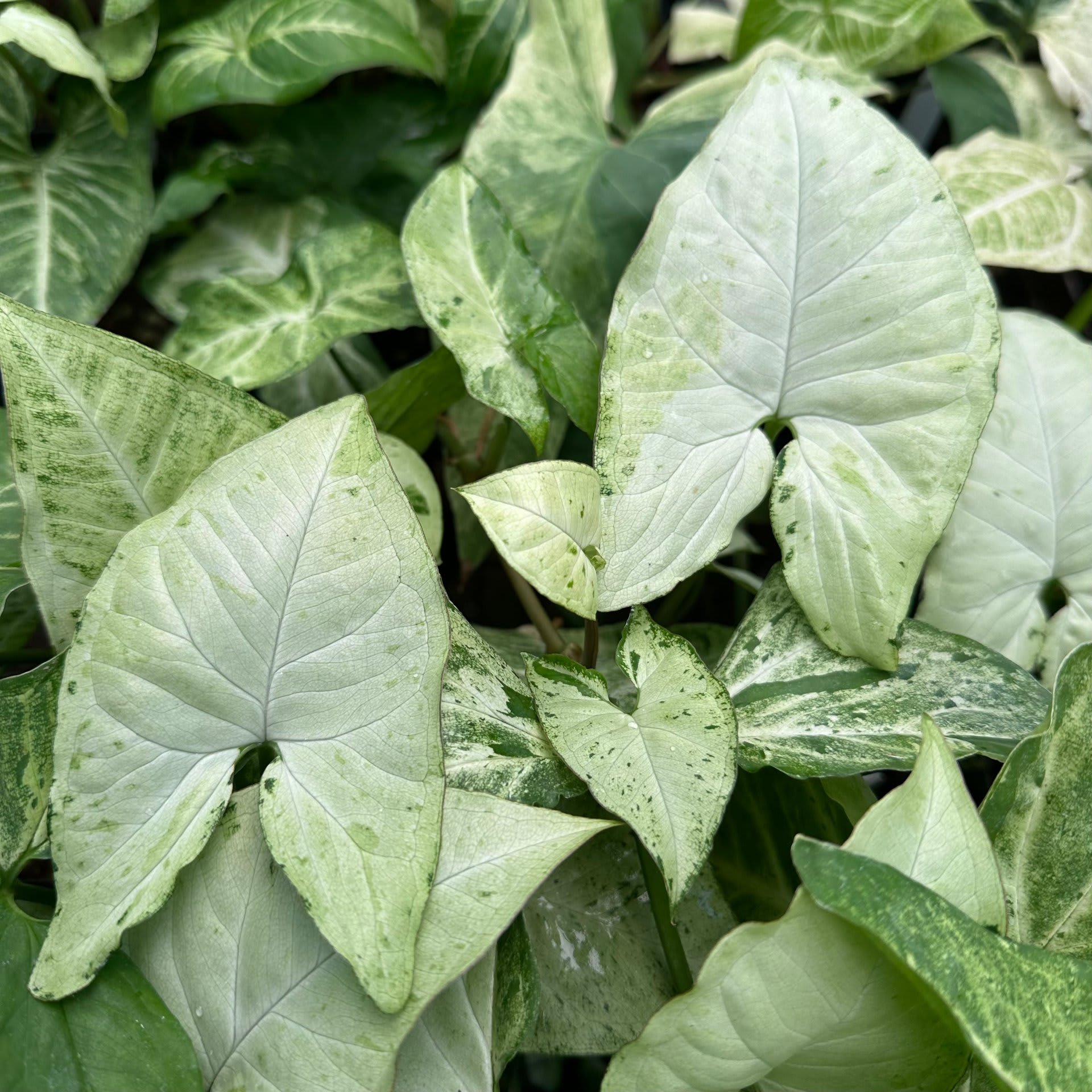
Weeping Willow
Salix babylonica
Also known as Salix babylonica, Babylon Willow
Plantae›Tracheophyta›Magnoliopsida›Malpighiales›Salicaceae
📍 Riverbanks and wetlands of East Asia
Grown emersed like pothos — a rooted branch or cutting sits with its roots in the tank water and its foliage in the air, where it works as a fast, hardy nitrate-absorbing biofilter. Willow roots readily in water (the cuttings even release a natural rooting hormone), and unlike tropical houseplants it tolerates cool water, so it suits unheated and coldwater tanks. It is a large tree, so expect to prune and re-trim the emersed growth; it may tint the water faintly with tannins.
Grown with its roots in the tank water and its leaves in the air — a living nitrate filter, not a submerged aquarium plant. Give it bright indirect light; no aquarium CO₂ or substrate needed.
Keep Weeping Willow? Log your tank and get a health score for it.
Community Photos
1 photoPhotos are added when members log a tank with this species and upload a photo in their tank journal. Add your own tank to contribute.
by @plantedscapes
Sign in to vote.
Tanks keeping this 🌿
Growing in 1 tank1 public tank growing Weeping Willow, shown below.

Tank Mates
See all 4 →A standout pairing — willow tolerates the cooler water goldfish like and mops up the heavy nitrate they produce, where most emersed houseplants want it warmer.
Roots shade the surface and export the nitrate a betta's waste produces.
Shrimp graze biofilm off the submerged root mass and shelter in it.
Peaceful schoolers that enjoy the cleaner water without disturbing the roots.
Common Diseases
Root / crown rot
Mushy, blackened, or foul-smelling roots or submerged stem; drooping, yellowing leaves — almost always from submerging the foliage instead of just the roots.
Keep only the roots underwater and the branches/leaves in the air. Trim rotted tissue with clean scissors, improve surface circulation and oxygen, and let it re-establish.
Yellowing leaves
Pale or yellowing foliage, slow or leggy growth.
Give brighter light and dose a little liquid fertilizer — in a lightly stocked tank the water may lack the nutrients for vigorous emersed growth.
Tips from the community 💡
0 tipsReal experiences, care advice, and keeper notes. Finn learns from these too.
Sign in to share your experience.
No community tips yet — be the first to share your knowledge!
Quick Facts
- light
- Bright indirect to full sun
- biofilter
- true
- placement
- Emersed — roots in water, branches and leaves in air
- growth rate
- fast
Water it likes
- ph
- 6.0–7.5
- nitrate
- Heavy feeder — a strong natural nitrate exporter
- hardness
- Soft to hard (2–20 dGH)
- temperature
- 50–82°F (10–28°C)
Legality
No state or federal restrictions on record for this species.
Not legal advice, and possibly incomplete or out of date. Rules vary by state and locality and change over time — always confirm the current regulations with your state wildlife or agriculture agency before buying, keeping, or shipping this species.