Flora & Fauna
673 entries — care guides, placement tips, and notes from the community
 easy
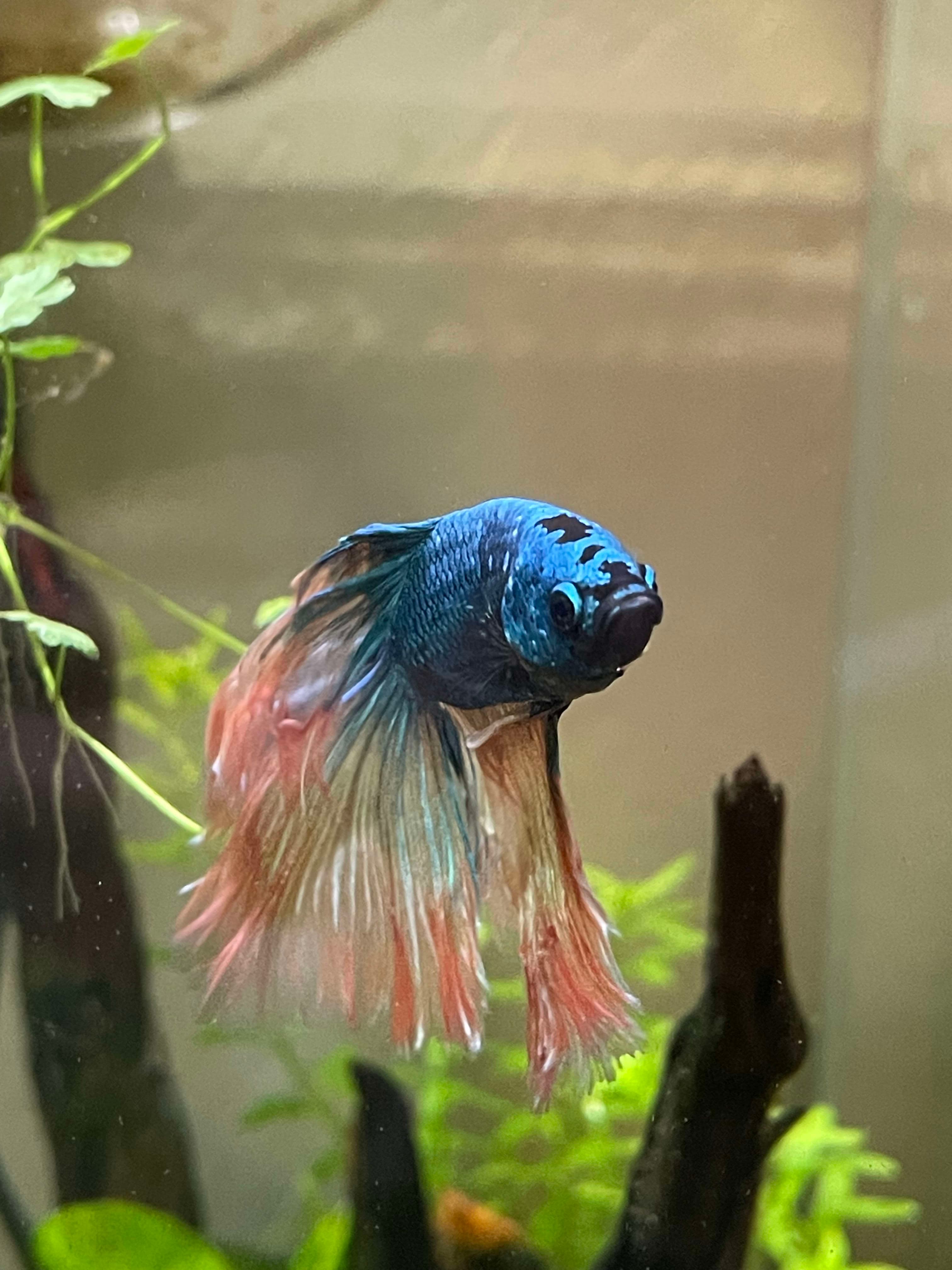
easyHalfmoon Betta
Betta splendens 'Halfmoon'
The Halfmoon Betta is one of the most recognisable and popular betta cultivars, characterised by the spectacular 180-degree spread of the caudal fin that forms a perfect half-circle when fully flared. Selective breeding has produced individuals with extraordinary fin size and vivid coloration in virtually every hue. The large fins require pristine water quality to prevent fin rot and tearing.
 easy
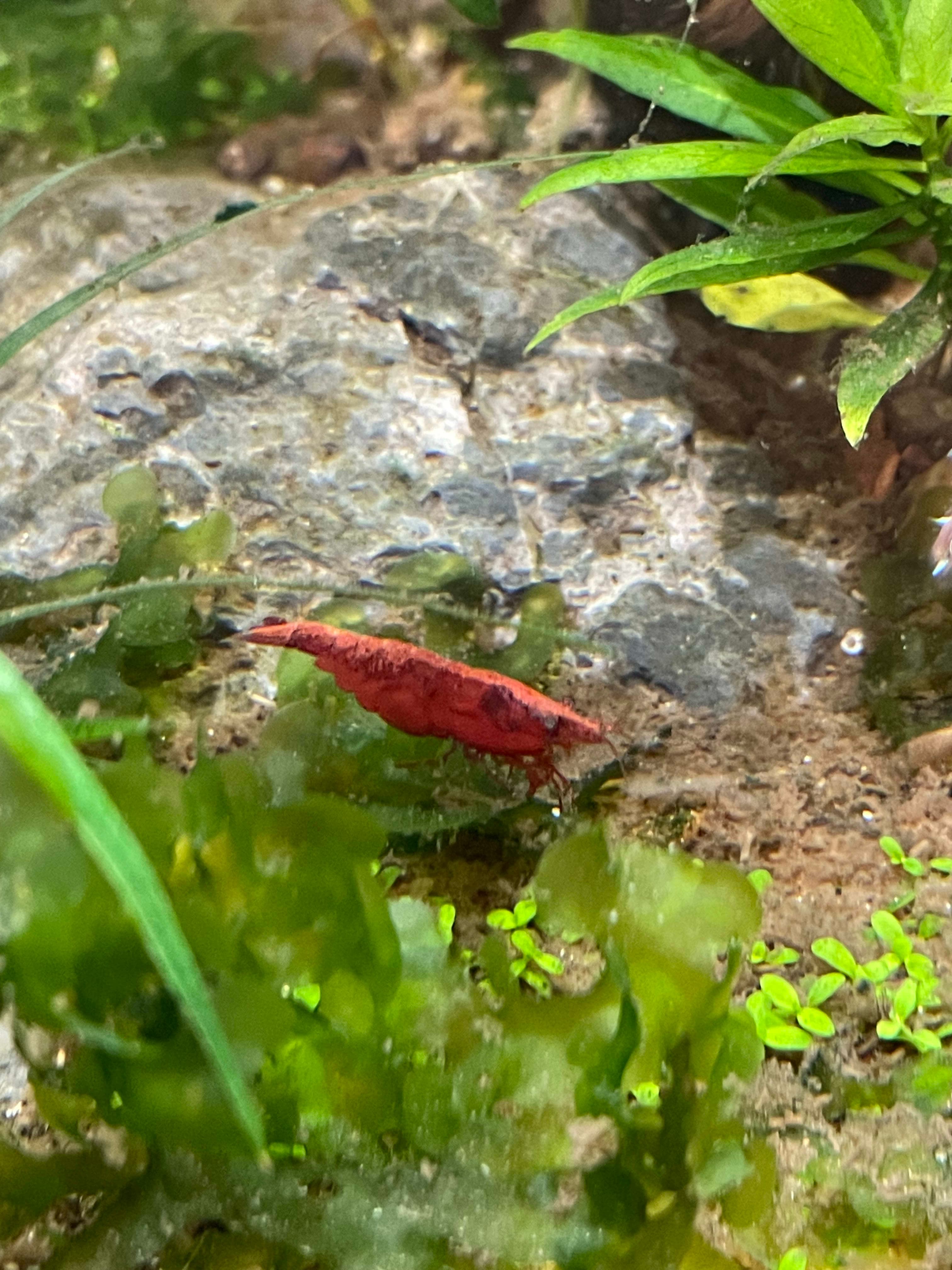
easyRed Cherry Shrimp
Neocaridina davidi
Red cherry shrimp are the most popular dwarf shrimp in the hobby, bred in a variety of red intensity grades from pale pink to deep 'painted fire red'. They are tireless algae and biofilm grazers that thrive in established planted tanks. A mature tank with mosses and fine-leaf plants provides ideal conditions for breeding.
African Crinum
Crinum calamistratum
Striking background plant with long, narrow, wavy green leaves. Grows from a large bulb and can reach impressive heights. Very tolerant and long-lived. Low maintenance.
African Tiger Lotus
Nymphaea zenkeri
Stunning lily with red-spotted leaves. Grows from a bulb and alternates between broad, flat pads and long petioles reaching the surface. Remove surface leaves to keep it compact.
Amano Shrimp
Caridina multidentata
Named after legendary aquascape artist Takashi Amano who popularised their use, amano shrimp are the most effective algae-eating invertebrates available to hobbyists. Their large size and robust constitution means they can handle moderate current and tankmate activity. They do not breed in freshwater, so populations must be replenished from wild-caught stock.
Amazon Frogbit
Limnobium laevigatum
Amazon frogbit is a floating plant with round, slightly spongy leaves that provide excellent surface cover and diffuse lighting. Its dangling white roots absorb excess nutrients and provide refuge for fry and small shrimp. It grows rapidly in good light.
Amazon Molly
Poecilia formosa
The only known all-female vertebrate species, reproducing by gynogenesis using sperm from other mollies as a trigger without genetic contribution. A true biological oddity.
Amazon Sword
Echinodorus grisebachii
The amazon sword is a staple background plant in community aquariums, producing broad lanceolate leaves that provide shelter for fish. It is a heavy feeder that benefits greatly from root tab fertilisers. Given adequate nutrients and moderate light, it will grow large and produce runner plantlets.
Ambulia
Limnophila sessiliflora
Sometimes called Ambulia, this fast-growing stem plant produces dense whorls of fine, feathery leaves that resemble a soft green bottle brush. One of the most forgiving stem plants — it grows without CO2 injection and tolerates a wide pH range, making it ideal for beginner planted tanks.
Anubias Barteri
Anubias barteri
Anubias barteri is a robust, slow-growing plant with dark-green, waxy leaves that are resistant to herbivorous fish. Like java fern, the rhizome must not be buried. It thrives under low light, though algae can colonise the leaves in high-light environments; shading by taller plants helps.
Anubias Coffeefolia
Anubias barteri var. coffeefolia
Anubias Coffeefolia features deeply corrugated, dark-green leaves with a pronounced bullate (puckered) texture that gives them the appearance of coffee leaves — hence the name. The new leaves often emerge with a reddish-bronze tint before darkening to deep green, adding colour interest even at low light levels. Its compact, low-spreading habit suits midground placement in low-tech planted tanks.
Anubias Congensis
Anubias afzelii
Anubias Congensis (often sold as Anubias lanceolata) produces elongated, lance-shaped leaves on tall petioles, reaching 30–40 cm in height and making it one of the larger anubias suitable for midground to background use. Its upright, narrow leaf profile creates vertical interest against broader-leafed plants. Like all anubias, the rhizome must remain exposed and anchored to wood or rock.
Anubias Gigantea
Anubias gigantea
Anubias Gigantea is the largest species in the anubias genus, with broad, leathery leaves that can exceed 20 cm in length and reach 60–80 cm in total height in mature specimens. It makes a dramatic focal-point background plant in large aquariums and is equally at home emersed in paludariums. Despite its impressive size it shares the same forgiving, low-maintenance care profile as all anubias.
Anubias Gracilis
Anubias gracilis
A distinctive species with arrowhead-shaped, triangular leaves held on long, elegant petioles above the rhizome. The leaf shape sets it apart from other Anubias species and gives the scape a more dynamic, textured look. Grows taller than A. nana but slower than A. barteri. Ideal for attaching to large pieces of driftwood or elevated rock structures.
Anubias Hastifolia
Anubias hastifolia
Anubias hastifolia is one of the tallest anubias species, with long, spear-shaped leaves that make a dramatic background plant. Like all anubias it attaches to hardscape and is extremely tolerant of low light and neglect. Slow-growing and long-lived.
Anubias Lanceolata
Anubias barteri var. lanceolata
One of the larger Anubias varieties, featuring long lance-shaped leaves with prominent veining and a rich dark green colour. It grows on a thick rhizome and reaches 20–40 cm tall, making it a striking background or tall midground plant in larger tanks. Like all Anubias, it is extremely hardy, grows slowly, and must never be buried — attach it to rock or driftwood with thread or glue.
Anubias Mini Coin
Anubias barteri var. nana 'Mini Coin'
Anubias Mini Coin is a rare cultivar distinguished by its nearly circular, coin-shaped leaves on short petioles, giving it a distinctly rounded aesthetic not found in other anubias varieties. It is highly sought after by collectors and commands a premium price. Care requirements are identical to Anubias Nana Petite, and it performs best as a focal point on a small piece of hardscape.
Anubias Nana
Anubias barteri var. nana
Anubias Nana is the classic dwarf variety of Anubias barteri, producing compact rosettes of small, dark-green ovate leaves on a slow-creeping rhizome. Its diminutive size makes it one of the most popular choices for nano tanks and foreground planting on hardscape. Like all anubias it must be attached to wood or rock — burying the rhizome causes rot.
Anubias Nana Bonsai
Anubias barteri var. nana 'Bonsai'
An ultra-compact cultivar of A. nana with smaller leaves and shorter internodal spacing, creating a dense, bushy mound on the rhizome. The 'Bonsai' name refers to its miniaturised, tree-like appearance when grown on a small piece of driftwood or stone. Perfect for nano tanks and desktop aquariums. Care is identical to A. nana — extremely forgiving.
Anubias Nana Petite
Anubias barteri var. nana 'Petite'
Anubias Nana Petite is a cultivar even smaller than standard Nana, with leaves rarely exceeding 1.5 cm — making it the go-to foreground and carpeting anubias in nano aquascapes. Its slow growth means algae build-up on leaves is its biggest challenge; moderate flow and controlled nutrients help keep leaves clean. Exceptionally popular in Japanese Nature Aquarium style layouts.
Anubias Nana Round Leaf
Anubias barteri var. nana 'Round Leaf'
A cultivar of A. nana with noticeably rounder, broader leaves and very short petioles, giving it a compact, dome-like silhouette. The rounded leaf shape is more pronounced than the standard nana and looks especially attractive when grouped. A popular choice for mid-foreground planting on rocks or driftwood in both small and large tanks.
Aponogeton Ulvaceus
Aponogeton ulvaceus
Aponogeton ulvaceus produces large, translucent, ruffled leaves that add an elegant flowing quality to the aquarium. It grows from a bulb and may go dormant periodically. During active growth it can fill a large area of the tank with minimal care.
Assassin Snail
Clea helena
Assassin snails are the go-to solution for controlling pest snail infestations in freshwater aquariums. They hunt and consume other snails methodically, and will also scavenge meaty foods. They breed slowly and do not typically overrun a tank like pest species do.
Axelrodi Corydoras
Corydoras axelrodi
Axelrodi corydoras is a small, pinkish-bodied species with a bold dark lateral stripe and dark dorsal saddle markings. It is less commonly seen in the hobby than many species but is a peaceful, undemanding corydoras suitable for community planted tanks. A lovely species for those wanting something a little different.
Bacopa Australis
Bacopa australis
A compact, small-leaved Bacopa from southern Brazil, producing round to oval light-green leaves on reddish stems. Grows slower and stays shorter than B. caroliniana, making it better suited to midground placement or smaller tanks. Under high light, the stems take on a reddish-orange tint that adds warmth to the scape. One of the most beginner-friendly stem plants available — it rarely melts and grows reliably even without CO₂.
Bacopa Salzmannii
Bacopa salzmannii
A larger-leaved Bacopa with attractive, broadly oval leaves. Under high light, the foliage develops a beautiful pinkish-purple coloration that makes it a standout mid-ground or background accent. More colourful than B. monnieri and responds well to fertilisation.
Banana Plant
Nymphoides aquatica
The banana plant is named for its distinctive cluster of banana-shaped storage roots at the base. It sends up floating leaves and white flowers when mature. It is an unusual, undemanding midground plant that does not require substrate planting — it can float freely.
Bandit Corydoras
Corydoras metae
The bandit corydoras is named for its distinctive black mask across the eyes and a black patch at the dorsal fin base, giving it a masked outlaw appearance. It is a peaceful, active species that thrives in soft, slightly acidic water.
Black Neon Tetra
Hyphessobrycon herbertaxelrodi
The black neon tetra has a distinctive two-tone horizontal stripe — iridescent white-green above a solid black band. Subtler than its neon cousin but equally elegant, it thrives in large schools in soft, acidic planted tanks and is very peaceful.
Black Rose Shrimp
Neocaridina davidi var.
Deep black to dark charcoal Neocaridina. Full opaque black coloration is the most sought-after grade. Creates a dramatic contrast in light-substrate planted tanks. As hardy as red cherry shrimp.
Black Skirt Tetra
Gymnocorymbus ternetzi
The black skirt tetra has a distinctive deep body with flowing black dorsal and anal fins. It is extremely hardy and adaptable, making it a classic beginner fish. Long-finned and balloon variants are widely available in the hobby.
Bladder Snail
Physella acuta
Bladder Snails are small, sinistral (left-coiled) freshwater snails with translucent amber shells, often introduced accidentally with plant purchases. They are voracious detritivores and algae grazers that help clean up uneaten food and decaying plant matter, contributing to tank cleanliness. Population explosions occur with overfeeding; controlled feeding keeps numbers in check. They serve as an excellent food source for pea puffers and assassin snails.
Bleeding Heart Tetra
Hyphessobrycon erythrostigma
Named for the vivid red spot on the chest that resembles a bleeding heart, this is one of the larger and more impressive tetras. Males develop long, flowing dorsal and anal fins and a deeper body as they mature. Despite its size, it is a peaceful community fish that looks spectacular in large schools in planted or natural-style aquariums.
Blind Cave Tetra
Astyanax mexicanus
Eyeless cave-dwelling form of the Mexican tetra. Navigates entirely by lateral line. Surprisingly active and hardy — a fascinating conversation piece in any community tank.
Bloody Mary Shrimp
Neocaridina davidi 'Bloody Mary'
Bloody Mary Shrimp are a deeply coloured Neocaridina davidi morph with an intense, translucent blood-red coloration that differs from the opaque red of Painted Fire Red or regular Cherry Shrimp — the red pigmentation is visible through the body, giving them a vivid, glowing quality. They are as hardy and easy to breed as other Neocaridina morphs, making them accessible for beginners seeking a striking red shrimp variety.
Blue Dream Shrimp
Neocaridina davidi 'Blue Dream'
Blue Dream Shrimp are a high-grade selectively bred Neocaridina davidi morph displaying deep, solid cobalt-blue coloration throughout the body. The 'Dream' grade represents the most intense and uniform blue coloration, without the lighter patches seen in standard Blue Velvet morphs. They share the same hardy, beginner-friendly care requirements as Red Cherry Shrimp and breed prolifically in stable, planted tanks.